This guide covers platform-specific strategies, optimisation techniques, and measurement approaches for major social media platforms including Instagram, TikTok, LinkedIn, and YouTube. We won’t dive into paid social advertising or influencer marketing contracts here—those deserve their own dedicated resources. If you’re a small to medium business owner, marketing manager, or entrepreneur looking to improve organic visibility without increasing ad spend, you’re in the right place.
Here’s what social media SEO comes down to: using relevant keywords strategically, optimising your social media profiles completely, creating searchable content, and following platform-specific best practices to increase discoverability across social search engines and traditional search engines alike.
By the end of this guide, you’ll walk away with:
Improved social media rankings on major social platforms
Increased website traffic from your social media efforts
Better brand visibility across search engine results pages
Higher engagement rates through optimised social content
A clear framework for measuring your social SEO strategy
Understanding Social Media SEO Fundamentals
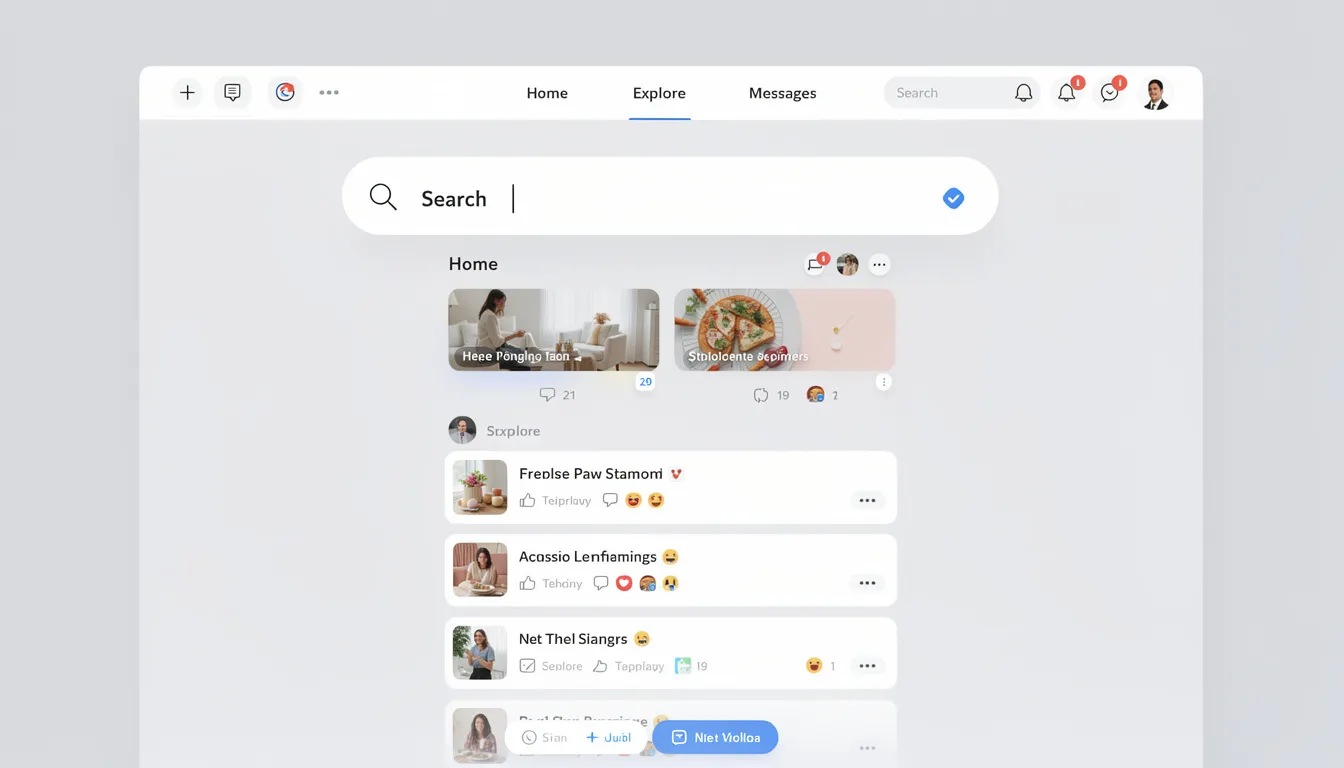
Social media SEO is the practice of optimising social content to be discovered through searches conducted directly on social media platforms and through external search engines like Google. I’ve seen firsthand how this approach transforms visibility for brands willing to invest in proper optimisation.
The shift we’re witnessing is significant: 31% of consumers now use social media as search engines, with that number climbing substantially higher among Gen Z and millennials. These users bypass Google entirely, heading straight to TikTok for tutorials, Instagram for product recommendations, and YouTube for how-to guides.
Social Media SEO vs Traditional SEO
When we compare traditional search engine optimisation with social SEO, the differences become clear immediately. Traditional SEO focuses primarily on Google rankings, emphasising backlinks, domain authority, and technical website optimisation. Social media SEO targets platform-specific search algorithms that prioritise entirely different signals.
Social SEO emphasises visual content quality, engagement metrics, and real-time trends in ways traditional SEO simply doesn’t. The content formats differ dramatically—we’re optimising YouTube videos, Instagram Reels, and social media posts rather than web page content and blog posts.
Factor | Traditional SEO | Social Media SEO |
|---|
Primary Platform | Google, Bing | Instagram, TikTok, LinkedIn, YouTube |
Key Ranking Signals | Backlinks, Domain Authority | Engagement, Watch Time, Shares |
Content Format | Written articles, web pages | Visual content, short-form video |
Keyword Placement | Title tags, meta descriptions | Captions, alt text, spoken audio |
Measurement Focus | Rankings, organic traffic | Reach, saves, profile visits |
How Social Platforms Function as Search Engines
Instagram, TikTok, YouTube, and LinkedIn have each developed sophisticated search capabilities that rival traditional search engines for specific query types. When someone wants to learn how to tie a specific knot, they’re increasingly likely to search TikTok or YouTube rather than Google.
The rise of social commerce has accelerated this behaviour dramatically. Social media users can now discover, research, and purchase products without ever leaving the platform. This creates powerful incentives for platforms to improve their search functionality and for brands to optimise their social media presence accordingly.
Understanding this shift explains why platform-specific optimisation approaches matter so much—each social platform weighs different ranking factors and user behaviours in their algorithms.
Platform-Specific SEO Strategies
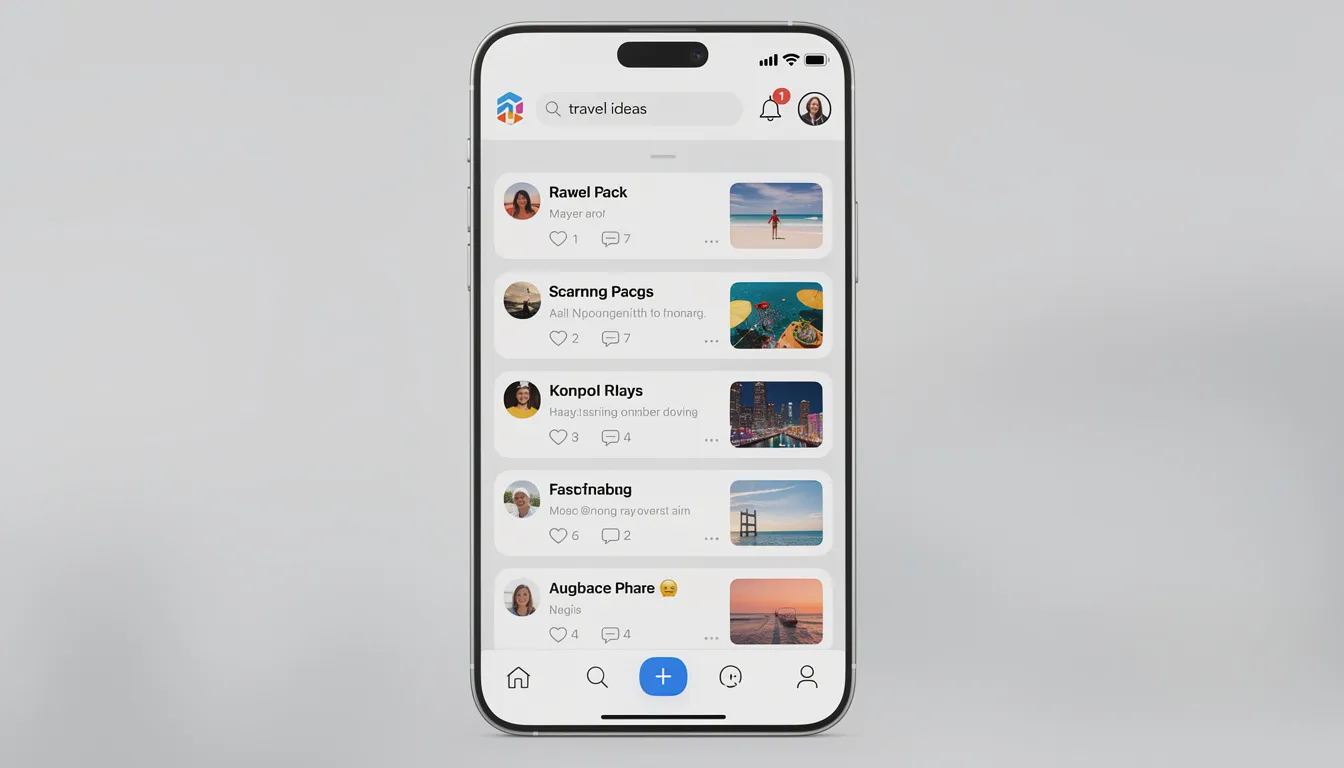
Each social media platform operates with distinct algorithms and user expectations. I’ve learned through years of testing that a one-size-fits-all approach simply doesn’t work—what drives visibility on TikTok may have zero impact on LinkedIn.
Instagram SEO Optimisation
Instagram has evolved into a visual search engine where profile optimisation creates the foundation for all other social SEO efforts. Your bio should incorporate relevant keywords naturally while maintaining readability—this isn’t the place for keyword stuffing.
Alt text implementation for images represents one of the most underutilised optimisation opportunities on Instagram. This feature improves accessibility while simultaneously helping Instagram’s algorithm understand your visual content for relevant search queries.
Caption strategies should use natural language keywords alongside strategic location tags. We treat Instagram captions like meta descriptions—the first line needs to hook attention while incorporating target keywords that signal relevance to both human readers and the algorithm.
TikTok SEO Techniques
TikTok’s algorithm places significant weight on keyword placement across multiple content elements. Include target keywords in video captions, text overlays displayed on screen, and even spoken content—TikTok’s auto-generated subtitles make spoken words searchable.
Hashtag research using TikTok’s search bar reveals exactly what your target audience searches for. Watch the autocomplete suggestions carefully; they reflect actual search queries from potential customers actively searching for content like yours.
Video description optimisation and complete profile setup round out the foundation. Your TikTok bio should clearly communicate what you offer using the same language your audience uses when searching.
LinkedIn Professional SEO
LinkedIn’s professional context requires a different approach to social media SEO. Company page optimisation starts with industry keywords incorporated naturally throughout your business information, about section, and specialities.
Content posting strategies must align with LinkedIn’s algorithm, which prioritises professional relevance and authentic engagement. Employee advocacy and thought leadership content perform particularly well for B2B visibility, as LinkedIn rewards content that sparks meaningful professional conversations.
We’ve found that complete business page optimisation—including all available fields—significantly impacts how LinkedIn surfaces your content in search results.

YouTube as a Search Engine
YouTube functions as the world’s second-largest search engine, making video SEO essential for any comprehensive social media strategy. Video title optimisation using seo keyword research determines initial visibility, while descriptions should incorporate keywords within the first 125 characters.
Thumbnail design directly impacts click-through rates, which YouTube’s algorithm treats as a ranking signal. High quality content that retains viewers improves watch time—the metric YouTube weights most heavily when determining search rankings.
Playlist creation and video chapters improve user experience while creating additional indexable content. These structural elements help YouTube understand your content’s topics and relationships, improving recommendations and search visibility simultaneously.
Advanced SEO Implementation for Social Media
Building on platform basics, we need to cover sophisticated optimisation tactics that integrate your social media SEO strategy across channels and technical infrastructure.
Cross-Platform Keyword Strategy Development
Integrated keyword approaches work best when you understand how search intent varies across different social platforms.
Conduct keyword research using both traditional SEO tools and native social media search features—check what autocompletes in each platform’s search bar
Map keywords to appropriate platforms based on user intent and content format preferences (tutorials work best on YouTube and TikTok; professional insights belong on LinkedIn)
Create a content calendar incorporating seasonal trends and platform-specific opportunities while maintaining consistent messaging
Monitor social media performance and adjust keyword targeting based on engagement data and search query trends
Content Optimisation Techniques Comparison
Platform | Primary Ranking Factor | Content Format | Keyword Placement |
|---|
Instagram | Engagement Rate | Visual + Caption | Bio, Alt Text, Captions |
TikTok | Watch Time | Short Video | Captions, Audio, Overlays |
LinkedIn | Professional Relevance | Articles + Posts | Headlines, Descriptions |
YouTube | Watch Time + CTR | Long/Short Video | Title, Description, Tags |
The key insight here is matching your content strategy to each platform’s primary ranking factor. If watch time drives TikTok rankings, your content must hook viewers immediately and deliver value throughout. If engagement rate matters most on Instagram, create content that prompts saves and shares. | | | |

Technical SEO for Social Profiles
URL customisation and consistent naming conventions across various social media platforms strengthen brand recognition and make your social media accounts easier to find. Use identical handles wherever possible.
Schema markup implementation for business information helps search engines understand the relationship between your website content and social media presence. This technical foundation supports local SEO efforts by connecting your Google Business Profile with your social media channels.
Link building through strategic bio links creates pathways between your social platforms and website. Using tools like Linktree or custom link pages centralises traffic while maintaining the unified footprint that search engines recognise.
Common Challenges and Solutions
Every social media manager encounters obstacles when implementing social SEO. Here’s how we address the most frequent issues our clients face.
Algorithm Changes and Platform Updates
Diversify your presence across multiple social media networks to reduce dependence on any single algorithm. We follow official platform blogs and announcements to stay ahead of changes rather than reacting to them. When one platform’s algorithm shifts unfavourably, a diversified social media presence prevents catastrophic visibility losses.
Content Creation Resource Constraints
Implement content repurposing strategies that transform single pieces of valuable content into multiple platform-specific formats. A YouTube video becomes a blog post, Instagram Reels, LinkedIn articles, and social posts. Scheduling tools maintain consistent publishing without overwhelming your team or requiring constant manual effort.
Measuring ROI and Attribution
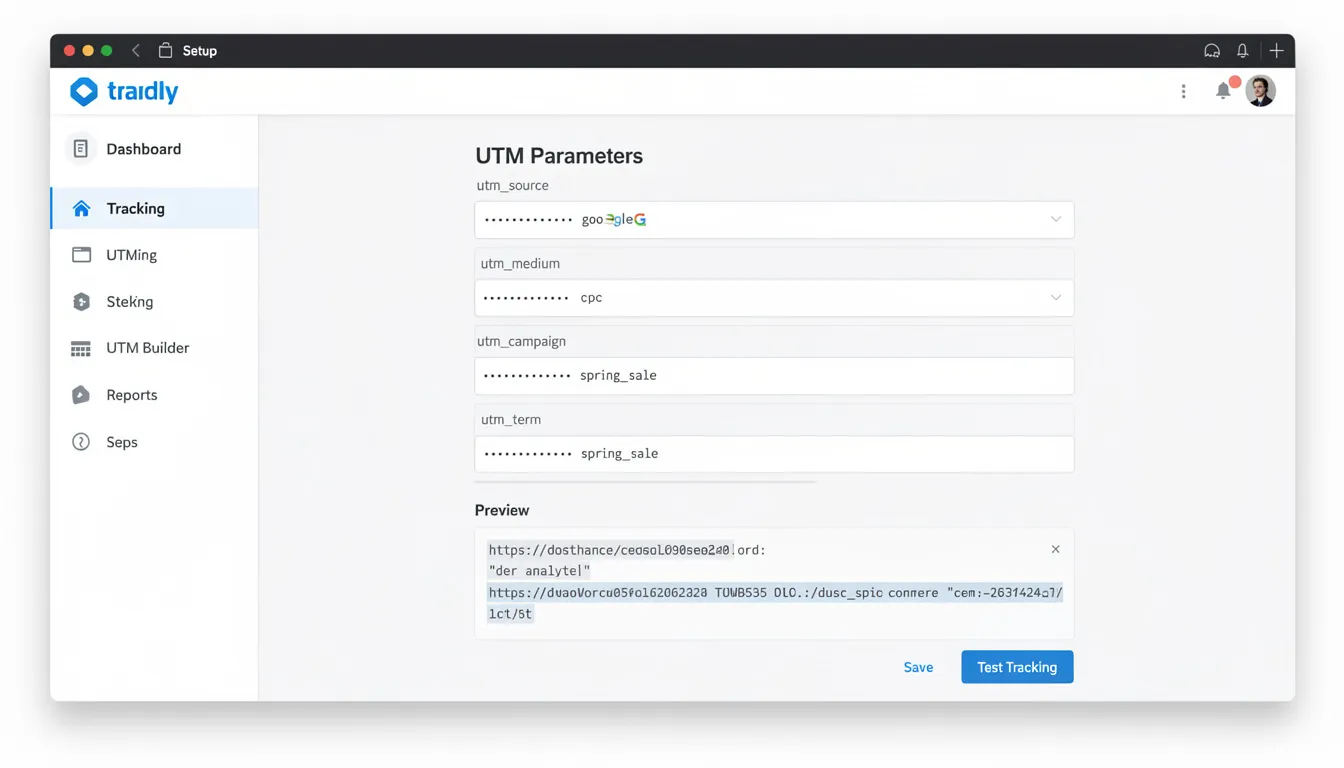
Set up UTM tracking for all social media links pointing back to your website. Combine platform-native analytics with Google Analytics 4 and Google Search Console data for comprehensive measurement. Track which social media platforms drive traffic, conversions, and revenue to justify continued investment in your social SEO efforts.
Conclusion and Next Steps
SEO for social media requires platform-specific approaches combined with consistent optimisation practices. The brands succeeding today treat their social media profiles as searchable assets, not just community engagement tools.
Immediate next steps:
Audit your current social media profiles for keyword optimisation opportunities in bios, descriptions, and about sections
Implement basic alt text and caption keyword strategies on your next five social media posts
Set up UTM tracking for all links from social platforms to your website
Advanced recommendations:
Develop a cross-platform content strategy that repurposes high quality content across your primary social media channels
Invest in social listening tools to understand what language your target audience uses when searching
Consider professional consultation if internal resources limit your ability to implement comprehensive optimisation
Related topics worth exploring include paid social advertising to amplify your organic efforts and influencer marketing as a distribution strategy for your optimised content.
Additional Resources
Platform-Specific Optimisation Checklists:
Instagram: Bio keywords, alt text for all images, consistent posting schedule, location tags
TikTok: Caption keywords, trending audio usage, hashtag research, profile completion
LinkedIn: Company page optimisation, employee advocacy program, article publishing
YouTube: Keyword research per video, thumbnail optimisation, chapter markers, playlist organisation
Recommended Keyword Research Tools:
Free: TikTok search suggestions, Instagram search bar autocomplete, YouTube autocomplete
Paid: Semrush, Ahrefs, Sprout Social, social listening tools with search trend data
For businesses needing professional assessment of their social media SEO strategy, our social media audit service provides comprehensive analysis and actionable recommendations tailored to your specific industry and target audience.