This guide covers the complete local SEO ecosystem: Google Business Profile optimisation, local keyword strategies, citation management, on-page local SEO techniques, and performance tracking. We focus specifically on actionable tactics for UK businesses seeking improved rankings in their local area, from sole traders to multi-location enterprises. Managing multiple locations presents unique challenges and opportunities for local SEO, such as maintaining consistent business information and optimising each Google Business Profile listing. Topics like international SEO or e-commerce optimisation fall outside this scope.
Direct answer: Local SEO optimisation involves strategically enhancing your online presence across Google Search, Google Maps, and relevant directories to rank higher when nearby customers search for your services or products.
By the end of this guide, you will understand how to:
Improve your local search rankings and Google Maps visibility (nearly 90% of consumers use Google Maps to find local businesses)
Attract more customers through optimised business listings
Increase conversion rates from local search traffic
Build a stronger Google Business Profile presence
Gain competitive advantage against other local businesses
Understanding Local SEO Fundamentals
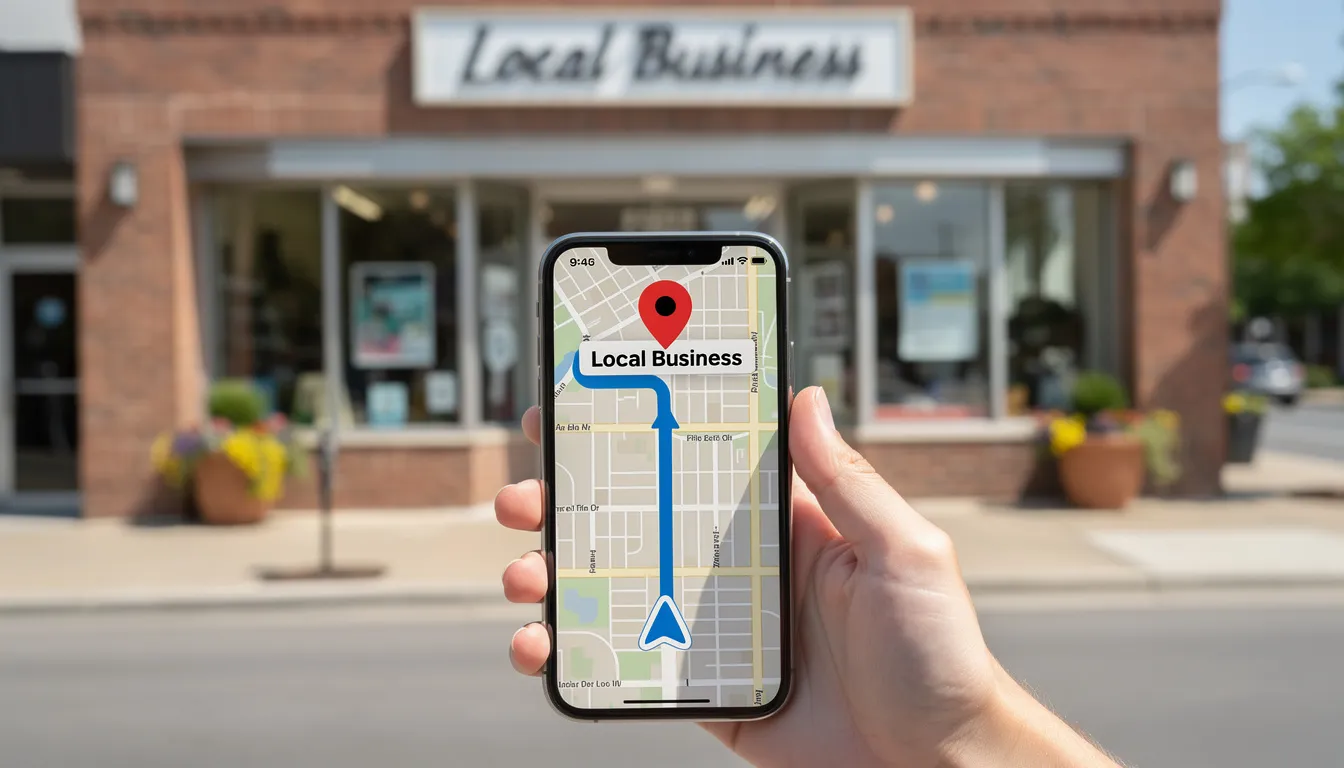
Local SEO optimisation targets customers searching for businesses within specific geographic areas. Unlike traditional SEO, which focuses on ranking nationally or globally, local SEO prioritises helping Google understand your physical location and service areas to connect you with nearby searchers. By implementing local SEO strategies, you enhance your site’s presence in search engine results, making it more likely for your website to appear and perform effectively when local customers are searching.
Local SEO can lead to 2–3x higher conversion rates compared to non-optimised competitors.
Google’s Local Ranking Algorithm
Google determines local search results through three primary ranking factors: relevance, distance, and prominence. Understanding these factors reveals why certain businesses dominate local results while others remain invisible.
Relevance measures how well your business profile and website match what someone is searching for. Complete, detailed business information helps Google understand your offerings and match you to relevant searches.
Distance calculates how close your business is to the searcher’s location. When someone searches “coffee shop near me,” Google prioritises establishments within walking or driving distance.
Prominence reflects how well-known and trusted your business appears online. This includes review quantity and quality, citation consistency across other websites, and backlinks from local sources. Businesses with strong prominence signals consistently outrank competitors, even when distance is comparable.
Optimising across all three factors creates a comprehensive signal to search engines that your business deserves visibility in local results.
Types of Local Search Queries
Local search queries fall into distinct patterns that reveal customer intent and guide your keyword research strategy.
“Near me” searches have exploded in popularity, with users expecting Google to determine their location automatically. Phrases like “dentist near me” or “emergency plumber near me” signal immediate purchase intent.
Geo-specific queries include explicit location modifiers: “accountant in Manchester,” “best pizza Brighton,” or “solicitor Leeds city centre.” These searchers know exactly where they want service.
Local intent keywords combine services with implicit local meaning. Someone searching “same-day dry cleaning” likely wants a nearby option, even without location terms.
UK consumers increasingly use voice search on mobile devices, creating longer, conversational search queries like “where can I find a good mechanic open on Sunday.” Understanding these patterns shapes how you structure your local keyword strategy.
Google Business Profile Optimisation
Your Google Business Profile serves as the foundation of local SEO success. This free business listing appears in Google Maps, the local pack, and Google Search results—often before potential customers ever visit your website. Claiming and optimising your Google Maps listing is crucial for improving your business’s visibility and reputation in local search results.
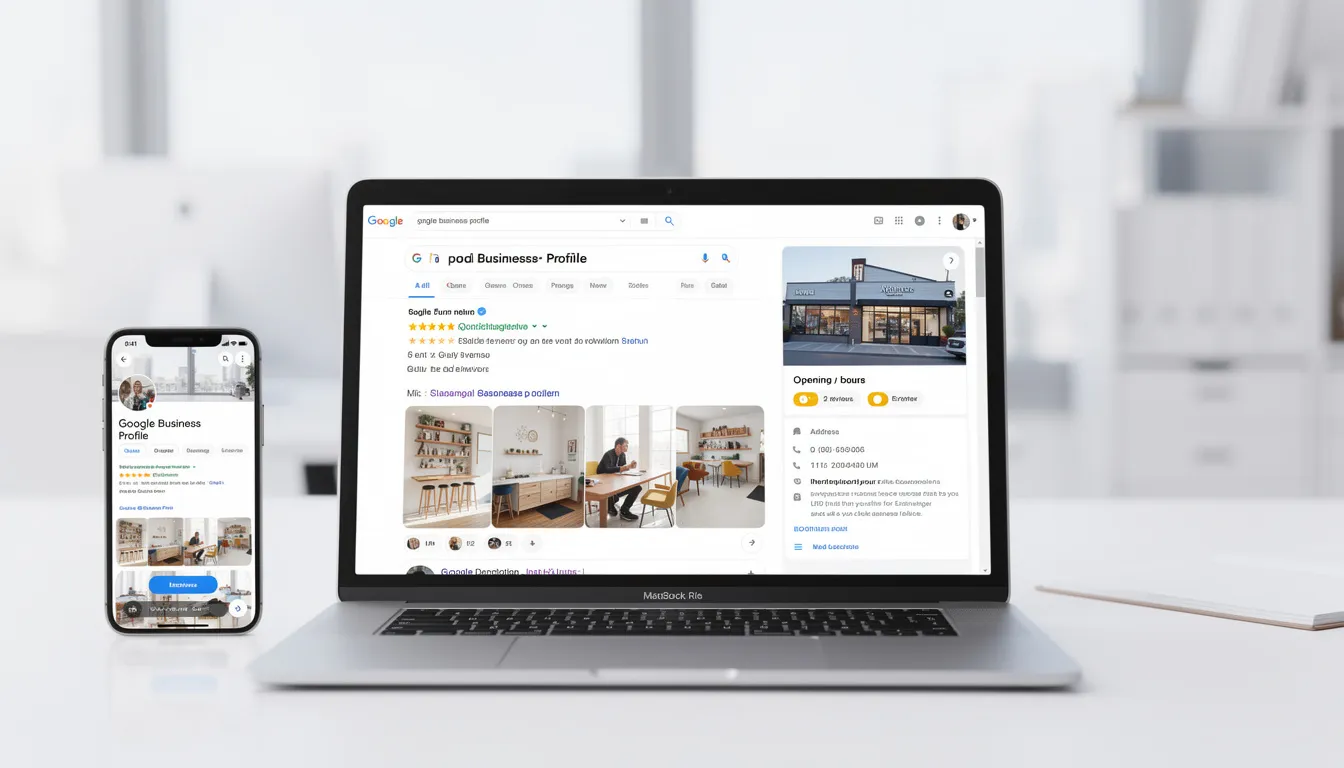
An optimised profile not only increases your chances of appearing in relevant searches but also builds trust with potential customers. In fact, businesses with a complete Google Business Profile are 2.7 times more likely to be considered reputable by customers.
Essential Profile Information
NAP consistency (Name, Address, Phone number) forms the bedrock of local SEO. Your business name, business address, and phone number must be identical across your Google Business Profile, website, and every directory listing. Even minor variations—“Street” versus “St.” or including “Ltd” in some places but not others—can confuse search engines and dilute your rankings.
Category selection directly impacts which search queries trigger your listing. Choose the most relevant category as your primary category, then add secondary relevant categories that accurately describe additional services. A café serving breakfast might select “Café” as primary with “Breakfast Restaurant” as secondary.
Business description provides 750 characters to communicate your unique value proposition. Front-load important local keywords naturally—mention your service areas, specialisations, and what distinguishes you from competitors. Avoid keyword stuffing; write for customers first.
Opening hours require regular attention. Keep business hours current, add special hours for bank holidays, and update holiday hours during Christmas and Easter periods. Inaccurate hours frustrate customers and harm your credibility with Google.
Configure attributes that apply to your business: wheelchair accessibility, Wi-Fi availability, payment methods, outdoor seating, and other details customers seek before visiting.
Visual Content Strategy
Businesses with 20 or more photos receive significantly more engagement than those with minimal imagery. Google sees visual content as a trust signal and rewards profiles with comprehensive imagery.
Upload high-quality photos showing your exterior (helping customers recognise your location), interior, team members, products, and completed work. For service businesses, before-and-after images demonstrate capability. Restaurants should showcase signature dishes in natural lighting.
Videos under 30 seconds perform well for local engagement, particularly virtual tours or service demonstrations. Regular content updates signal an active, engaged business—aim to add fresh photos monthly.
Google Posts let you share updates, offers, events, and news directly in your business profile. Posting weekly maintains visibility and helps boost engagement metrics that influence rankings.
Review Management System
Google reviews function as social proof and ranking signal simultaneously. Businesses with more reviews and higher ratings consistently outperform competitors in local results.
Develop a systematic approach to acquiring reviews from satisfied UK customers. Send follow-up emails after service completion with a direct link to your Google review page. Train staff to mention reviews when customer satisfaction is evident.
Respond to every review—positive reviews deserve genuine thanks, while negative reviews require professional, constructive responses. Your replies demonstrate customer service quality to everyone reading your profile. Address complaints specifically, offer solutions offline, and avoid defensive language.
Review sentiment analysis increasingly influences how Google interprets your business reputation. Authentic, detailed positive reviews outweigh generic five-star ratings.
Google Maps SEO
Google Maps SEO is a vital component of any local SEO strategy, focusing on boosting your business’s visibility within Google Maps search results. When potential customers search for services or products in their area, a well-optimised Google Business Profile can make the difference between being discovered or overlooked. To excel in Google Maps SEO, start by claiming and fully optimising your Google Business Profile—ensure your business name, address, and phone number are accurate and consistent across all platforms.
Conduct thorough keyword research to identify the local search terms your customers use, and incorporate these keywords naturally into your business profile and website content. Building high-quality local citations on reputable directories further strengthens your business’s authority and trustworthiness in the eyes of Google. Encourage satisfied customers to leave reviews on your Google Business Profile, as positive feedback can significantly influence your ranking in local search results.
By focusing on Google Maps SEO, businesses can increase their chances of appearing in the coveted local pack, attract more customers to their physical location, and ultimately drive more sales. Consistent optimisation, regular updates, and active engagement with customers are key to maintaining a strong presence in Google Maps and outperforming local competitors.
Embedding Google Maps
Embedding Google Maps on your website is a simple yet powerful way to enhance both user experience and your local SEO efforts. By adding an interactive map, you make it easy for customers to find your location, get directions, and plan their visit—all directly from your site. This not only increases the likelihood of foot traffic but also signals to Google that your business is relevant for local search results.
To embed Google Maps, you’ll need to create a Google Maps API Key and configure your map settings within your website’s backend. Many website platforms offer plugins for this purpose, or you can manually add the embed code provided by Google. Customising your map to highlight your exact business location and including relevant details can further improve usability.
Embedding Google Maps also provides Google with additional context about your business’s location and services, which can help your site appear more prominently in local search results. This integration supports your overall local SEO strategy by reinforcing your business’s presence in the local area and making it easier for customers to connect with you.
Using Google Map to Improve User Experience
Leveraging Google Maps is essential for businesses aiming to create a seamless and engaging user experience. By integrating Google Maps into your website and optimising your Google Business Profile, you provide customers with an intuitive way to locate your business, access directions, and view valuable information such as business hours, contact details, and customer reviews.
A well-maintained Google Business Profile ensures that customers see accurate and up-to-date information when they search for your business on Google. Embedding Google Maps on your website further streamlines the process, allowing customers to plan their visit with just a few clicks. This convenience reduces barriers to entry and increases the likelihood that potential customers will choose your business over competitors.
Additionally, Google Maps can showcase important business details, such as parking availability or public transport options, helping customers make informed decisions. By prioritising user experience through Google Maps, you not only attract more visitors but also build trust and credibility, encouraging repeat business and positive word-of-mouth.
Advanced Local SEO Implementation Strategies
With your Google Business Profile optimised, attention turns to website-level strategies that reinforce local relevance and help Google understand your geographic targeting. When using a local SEO keyword research tool, you can easily select keywords, locations, or categories for analysis through a drop down menu, making it user-friendly to refine your targeting and track performance.
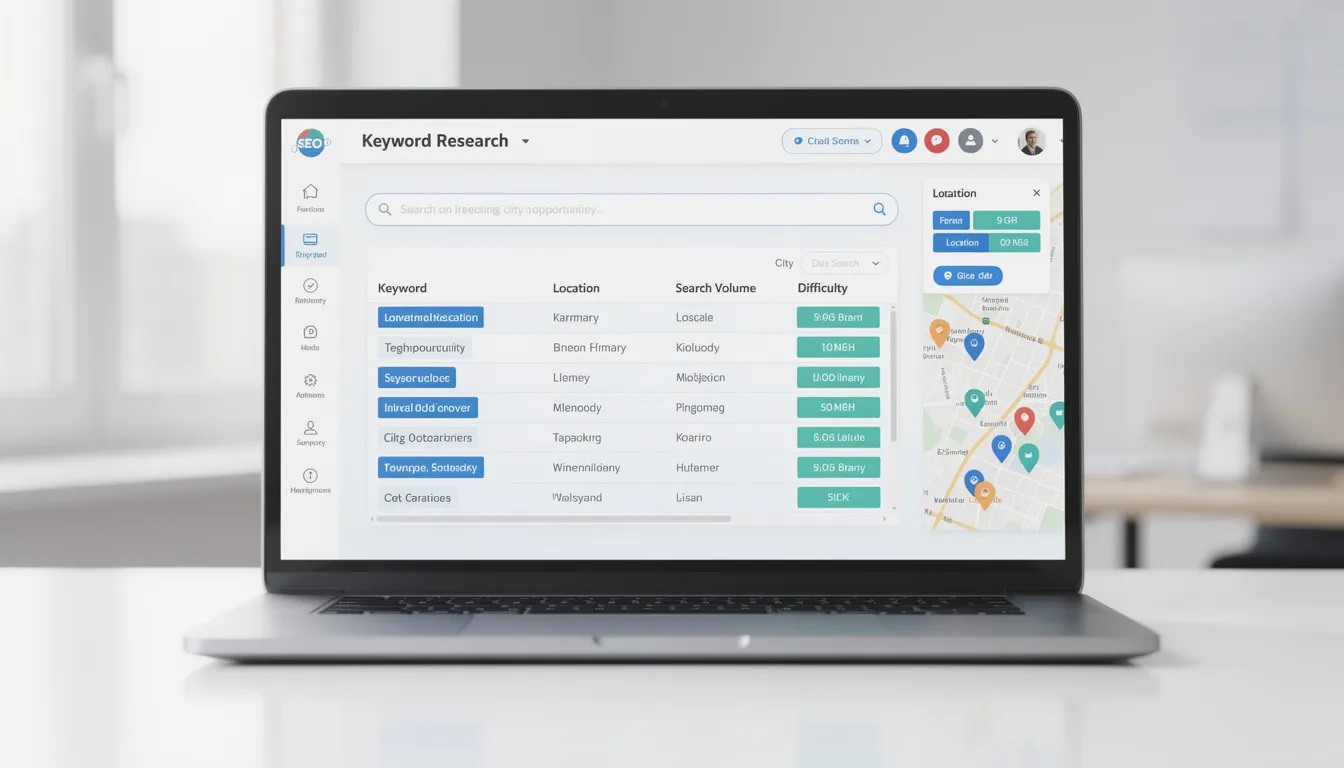
Tracking your local rankings in Google Maps is essential for assessing the effectiveness of your local SEO strategy.
Local Keyword Research and Implementation
Systematic local keyword research uncovers the exact phrases potential customers use when seeking your services. Here’s how to conduct effective research:
Identify location-specific search terms using keyword research tools like SEMrush, Ahrefs, or Google’s Keyword Planner. Combine your services with city names, neighbourhoods, and regional identifiers. “Electrician Birmingham,” “emergency plumber Solihull,” and “commercial electrician West Midlands” represent different search intents.
Analyse competitor local keyword strategies by examining which terms drive traffic to rival businesses. Identify gaps where competitors rank but you don’t, and opportunities where competition is lower.
Create location-based landing pages for each service area. Multi-location businesses need dedicated pages for each site with unique content—not duplicated templates with only the location name changed.
Implement local keywords in title tags, meta descriptions, H1 headings, and body content. Place your primary local keyword in the page title and first paragraph, then use variations naturally throughout.
Citation Building vs Schema Markup Comparison
Two distinct technical strategies strengthen local signals. Understanding their differences helps prioritise your efforts.
Factor | Citation Building | Local Business Schema |
|---|
Purpose | Builds external trust signals across directories | Helps search engines understand page content |
Implementation | Create listings on Yell, Yelp, industry directories | Add JSON-LD code to website pages |
Time Investment | Ongoing maintenance to ensure consistency | One-time setup per location page |
Impact Speed | Gradual authority building | Immediate structured data recognition |
Control Level | Dependent on third-party sites | Complete control on your website |
Both strategies work together. Local citations build prominence through mentions on other sites, while local business schema provides explicit, machine-readable business information directly to search engines.
On-Page Local SEO Optimisation
On-page SEO elements must reinforce your local targeting throughout your site’s presence. Optimising on page elements such as content, meta tags, and other site factors is essential to improve your search engine rankings and strengthen your local SEO optimisation.
Location-specific content goes beyond inserting city names. Create genuinely valuable information about your local area: reference local landmarks, discuss neighbourhood-specific challenges you solve, mention community events you participate in. A Manchester accountant might discuss specific regional business grants or local networking groups.
Internal linking structure should connect your location pages and service pages logically. Link from service pages to relevant local landing pages and vice versa, creating clear paths for both users and search engine crawlers.
Mobile optimisation is non-negotiable for local SEO. Over 96% of UK internet users access the web via mobile devices, and local searches happen disproportionately on smartphones. Ensure fast load times, tappable buttons, clickable phone numbers, and responsive design. Use PageSpeed Insights to identify improvements.
Check for broken links, submit your sitemap through Google Search Console, and verify your robots.txt file allows crawling of relevant pages.
In 2026, local SEO is focused on proving ‘neighborhood relevance’ to search engines and AI discovery tools.
Building Relevant Backlinks
Building relevant backlinks is a cornerstone of effective Google Maps SEO and can significantly impact your business’s visibility in local search results. Backlinks from reputable other websites act as endorsements, signaling to Google that your business is trustworthy and authoritative within your local area.
To build a strong backlink profile, focus on creating high-quality, locally relevant content that other sites will want to reference. Participate in local SEO directories and citation sites, and seek opportunities to collaborate with other local businesses, organisations, or community events. Engaging with local press or sponsoring events can also result in valuable backlinks.
Regularly monitor your backlink profile using tools like Google Search Console or Ahrefs to identify new opportunities and address any low-quality or broken links. By consistently building and maintaining relevant backlinks, your business can achieve higher rankings in Google Maps search results, attract more website visitors, and ultimately convert more customers through improved local SEO performance.
Common Local SEO Challenges and Solutions
Even well-optimised local SEO campaigns encounter obstacles. Recognising common problems and their solutions prevents wasted effort and ranking drops. For example, a business with an incomplete Google Business Profile may struggle to appear in top search results, while a similar business with a fully detailed profile—including photos, business hours, and service descriptions—can achieve higher visibility.
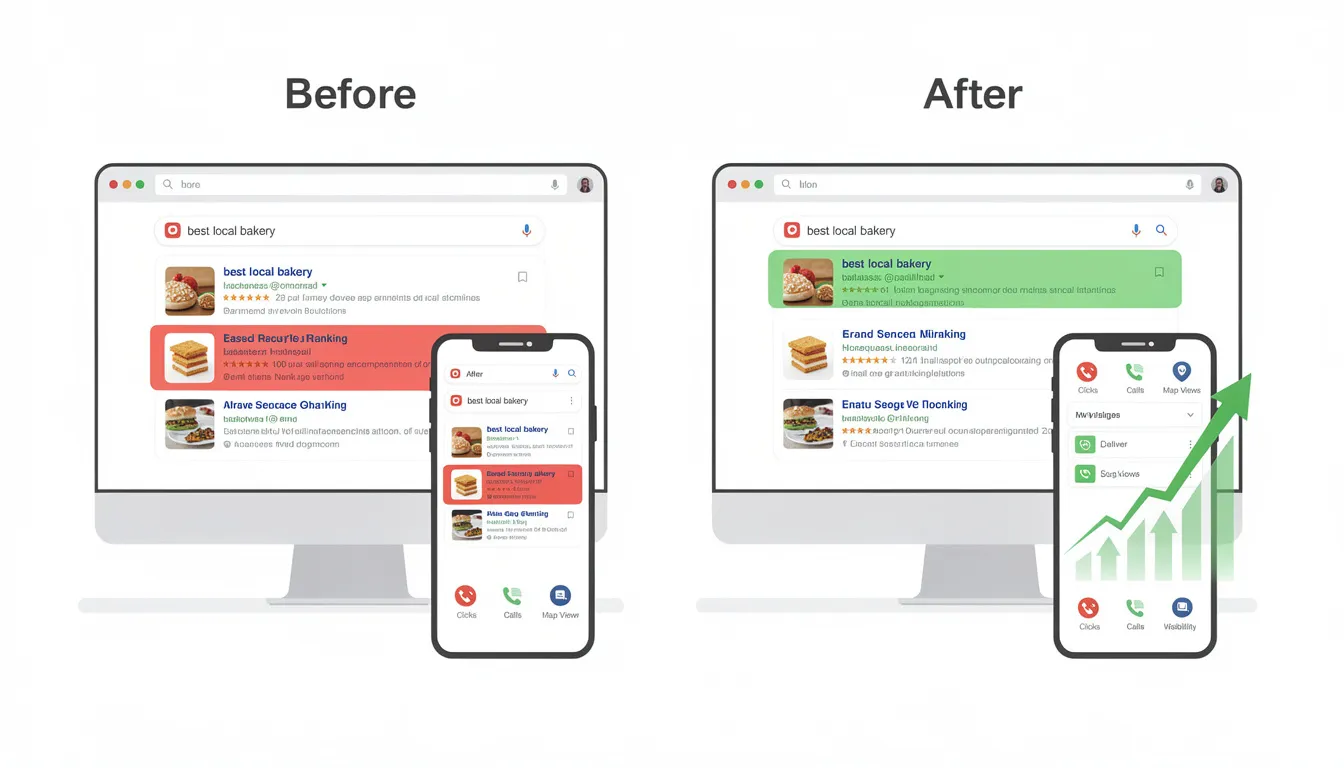
To address low rankings, ensure your business listing is as complete as possible—the more information a business listing contains, the higher it will rank on Google Maps.
Inconsistent NAP Citations Across Directories
Problem: Your business appears with different names, addresses, or phone numbers across various directories. Perhaps your website shows “123 High Street” while Yell lists “123 High St.” and your Facebook page omits the postcode.
Solution: Conduct a systematic citation audit using local SEO tools like BrightLocal or Whitespark. Document every variation, then work through each listing to update to your canonical NAP format. Check for duplicate listings on the same platforms—these confuse Google and split your authority. Prioritise high-authority directories first: Google Business Profile, Bing Places, Apple Maps, Yell, Thomson Local, and industry-specific directories.
Low Google Business Profile Engagement
Problem: Your profile exists but generates minimal clicks, calls, or direction requests compared to competitors.
Solution: Develop a content calendar for regular Google Posts—weekly updates about services, offers, or company news. Respond to all reviews within 24-48 hours. Add fresh photos monthly showing current work, seasonal displays, or team updates. Encourage customer photos by asking satisfied clients to share their experience. Community engagement through local event participation provides natural content opportunities and builds local relevance signals.
Poor Local Search Rankings Despite Optimisation Efforts
Problem: You’ve completed basic optimisation but remain stuck on page two or lower for target keywords.
Solution: Advanced competitive analysis reveals gaps between your approach and top-ranking competitors. Examine their citation profiles, review velocity, and content strategies. Identify which local keywords they dominate and look for underserved variations you could capture to dominate your niche. Build local backlinks through community partnerships, local press coverage, or chamber of commerce memberships. Consider whether your primary category selection accurately represents your main business focus.
Measuring and Monitoring Local SEO Performance
Local SEO success requires ongoing measurement and adjustment. Without tracking, you cannot identify what works or diagnose declining performance.
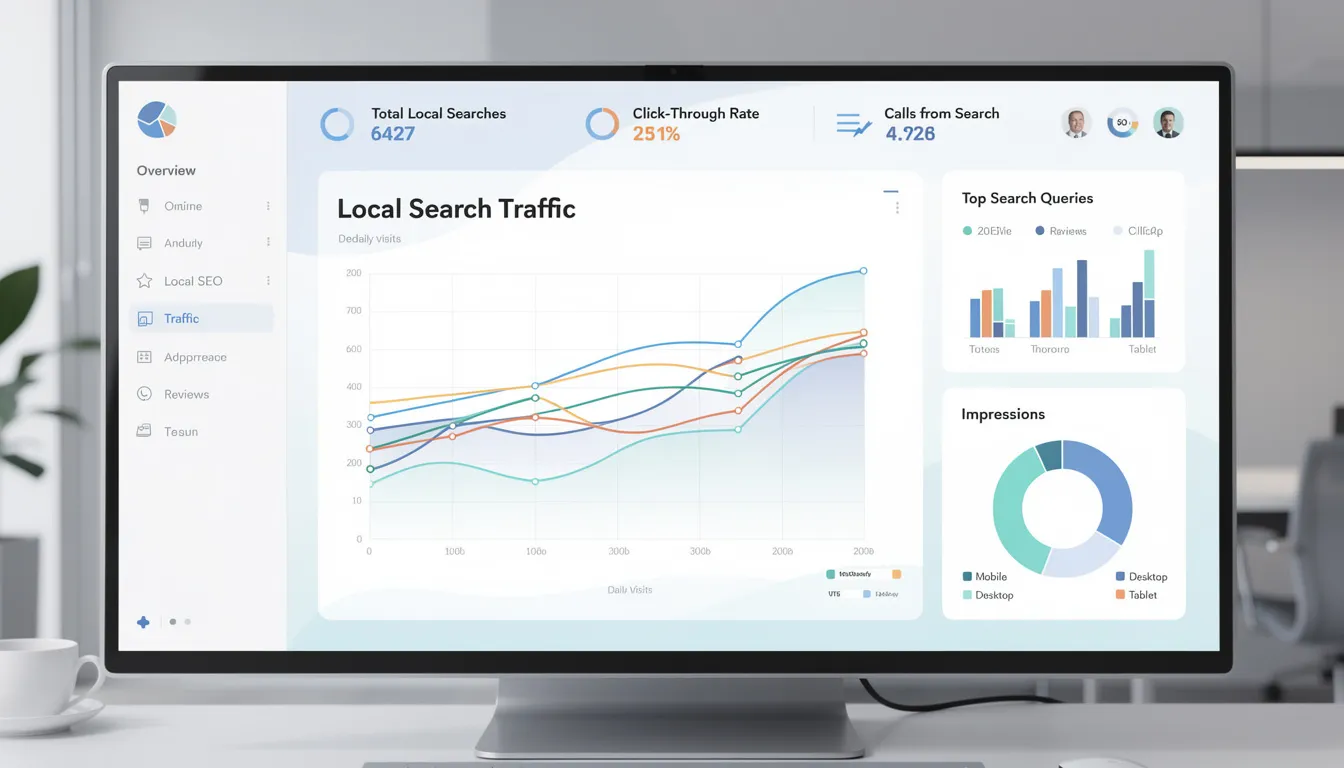
Key Local SEO Metrics
Local search ranking positions track where you appear for target keywords in your local area. Monitor both Google Maps rankings and organic local results separately—they can differ significantly.
Google Business Profile insights reveal how customers find and interact with your listing. Track search queries triggering your profile, customer actions (calls, direction requests, website clicks), and photo views compared to competitors.
Citation accuracy scores from tools like Moz Local or BrightLocal indicate NAP consistency across the web. Aim for 90%+ accuracy.
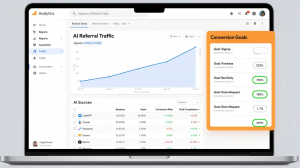
Conversion tracking connects local search traffic to actual business outcomes. Configure Google Analytics goals for phone calls, contact form submissions, or online bookings originating from local searches. Understand which keywords drive conversions not just traffic but customers.
Monthly Reporting and Adjustments
Establish a monthly review schedule examining ranking movements, engagement trends, and conversion rates. Compare performance against previous periods and competitor benchmarks.
Adapt strategy based on data: double down on keywords showing improvement, investigate drops immediately, and test new approaches for stagnant metrics. Market changes—new competitors, algorithm updates, seasonal demand shifts—require responsive adjustments rather than set-and-forget approaches.
Conclusion and Next Steps
Local SEO optimisation is an ongoing process requiring consistent effort rather than a one-time project. Success comes from maintaining accurate business information across all platforms, actively managing your Google Business Profile, creating genuinely useful location-specific content, and monitoring performance to guide improvements.
Start with these immediate actions:
Audit your current local presence for NAP consistency across all listings
Claim, verify, and fully optimise your Google Business Profile
Conduct local keyword research for your primary service areas
Review your website’s mobile performance and on-page local elements
Establish a review acquisition and response system
For businesses ready to advance further, multi-location SEO strategies, voice search optimisation, and integration with local PPC campaigns offer additional growth opportunities.
Additional Resources
Local SEO Audit Checklist for UK Businesses:
Google Business Profile completeness verification
NAP consistency check across major directories
Website local keyword placement review
Mobile responsiveness and speed testing
Review profile analysis and response plan
Recommended Citation Sources:
Google Business Profile, Bing Places, Apple Maps
Yell, Thomson Local, Scoot
Industry-specific directories relevant to your sector
Local chamber of commerce listings
Professional Support: For comprehensive local SEO services tailored to UK businesses, including citation management, content strategy, and ongoing optimisation, contact Rank Me Higher for a consultation about your specific local market challenges.