
Winning with Google Ads in 2026 means combining AI automation with tight human control, strong data foundations, and continuous creative testing. The days of set-and-forget campaigns are gone. Today’s most profitable accounts use Google’s AI to find high-value customers while maintaining strategic guardrails that protect budgets and margins.
At RMH (Rank Me Higher), we focus on profitable lead generation for UK SMEs—not vanity metrics. Based in London, we specialise in Google Ads strategy, management, and landing page optimisation that delivers measurable business outcomes.
This guide is practical and 2026-specific. We cover AI bidding, signal-based targeting, first party data, exclusions, and full-funnel integration—not generic “write good ads” tips. Each section includes actionable steps you can implement in your own Google Ads account within days.
AI needs human oversight: Google’s AI is powerful, but unsupervised automation wastes budget. The best 2026 strategies combine smart bidding with manual controls over budgets, exclusions, and creative.
First-party data is your competitive moat: With third-party cookies declining, your customer data becomes the advantage competitors cannot replicate. Customer match and offline conversion imports now drive superior campaign performance.
Signal-driven targeting beats keyword-only approaches: Combining audience segments, in market audiences, and behavioural signals with keywords unlocks traffic you’d never discover through keyword research alone.
Exclusions matter as much as targeting: Negative keywords, placement exclusions, and audience exclusions keep automated campaigns focused on profitable traffic rather than cheap, low-quality clicks.
Continuous optimisation is non-negotiable: Weekly search terms reviews, monthly bid adjustments, and quarterly strategic assessments separate profitable accounts from money pits.

Any 2026 Google Ads strategy must start with crystal-clear commercial goals and a lean account structure before touching AI or advanced tactics.
Define specific targets for your business:
“Generate 40 qualified enquiries per month at under £60 cost per lead”
“Reach 500 monthly e-commerce orders at under £15 cost per acquisition”
“Achieve 400% target roas on branded campaigns”
Establish your baseline by pulling last 90 days of data for key metrics: impressions, clicks, CTR, average CPC, conversions, CPA, and conversion rate. This context helps you decide what success looks like and where improvements are needed.
Recommended account structure for 2026:
3-6 core Search campaigns grouped by objective (lead gen, e-commerce, local visibility)
1-2 Performance Max campaigns for broader reach
Thematic ad groups instead of dozens of fragmented ones
One primary conversion action per campaign
RMH prefers “lean but high-signal” setups. Spreading data too thinly across many campaigns slows down smart bidding learning and makes optimisation harder.
In 2026, Google’s automation—recommendations, smart bidding, auto apply changes—is powerful but can easily waste budget if unsupervised.
Google’s optimisation score ranges from 0-100%. Aim to keep it above 80% while still critically reviewing recommendations weekly.
Safe to accept or auto apply:
Pausing low-activity keywords
Fixing disapproved ads
Adding sitelinks or other extensions
Turning on Enhanced Conversions when tracking is ready
Treat with caution (keep manual control):
Switching bidding strategies
Raising budgets aggressively
Adding broad match keywords at scale
Creating new responsive search ads automatically (especially in regulated sectors)
For UK local service businesses, review the Recommendations tab every week: accept low-risk hygiene fixes, dismiss irrelevant suggestions, and test structural changes in a limited campaign first.
RMH typically disables auto apply for bid strategy changes and new keyword additions, preferring human review aligned with client margins and lead quality.
Signal-driven targeting uses audience and behavioural signals alongside keywords, helping Google’s AI find more customers at the right time with the right message.
How to use audience signals in Search and Performance Max:
Start with “Observation” mode for 2-6 weeks to gather performance data
Switch high-performing audiences to “Targeting” mode where appropriate
Access these through the audiences tab in your manager account
Useful audience types for SMEs:
In market audiences (e.g., “Business Services”, “Home Renovation”)
Custom segments built from competitor domains or key phrases
Detailed demographics (income, education, parental status)
Remarketing lists from your website visitors
RLSAs (Remarketing Lists for Search Ads) remain valuable in 2026, especially for B2B sales cycles and high-ticket services. Users who visited your pricing page represent higher-intent prospects than first-time searchers.
Keep remarketing campaigns separable from pure prospecting to control bids and messaging. Test bid adjustments of +20-40% for repeat visitors, cart abandoners, or users who viewed pricing pages in the last 30 days.
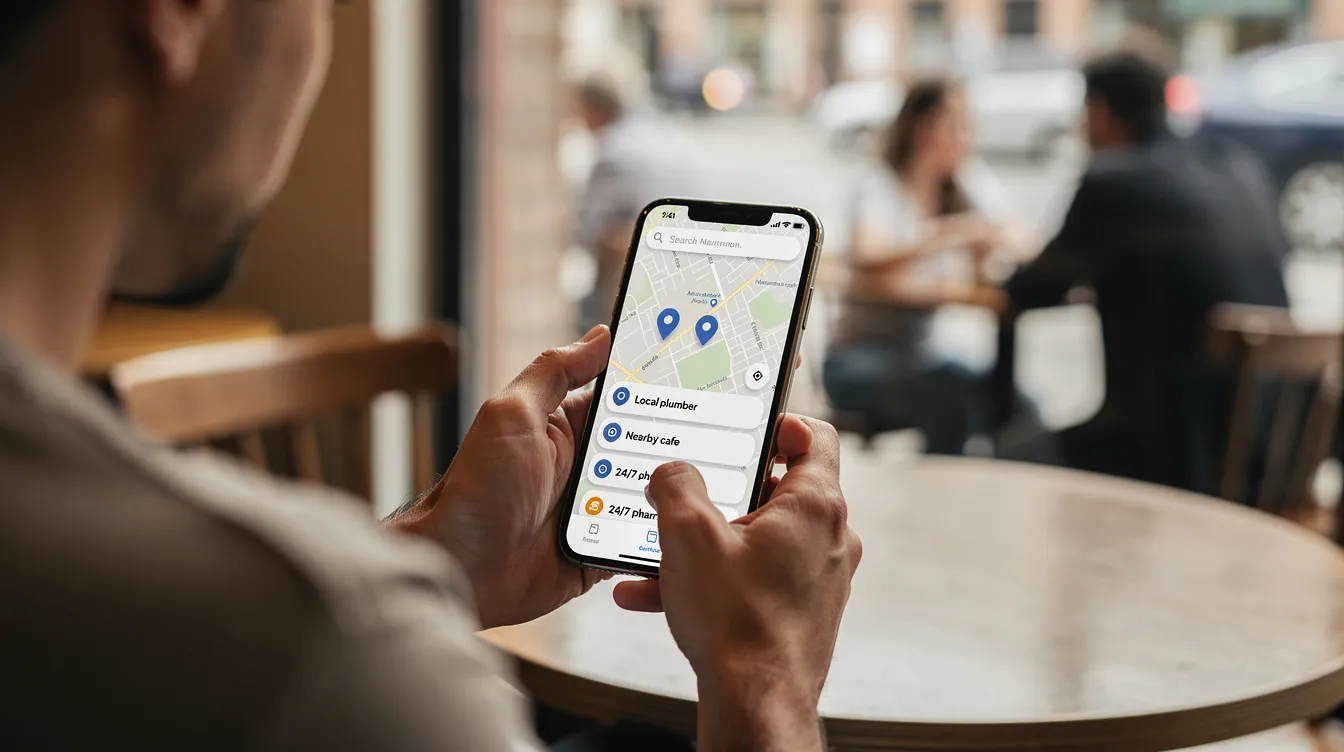
In a privacy-first 2026 landscape, first party data and accurate conversion tracking are the backbone of effective AI bidding and remarketing.
Set up robust conversion tracking:
Track primary conversions: form fills, calls over 30-60 seconds, purchases
Track key micro-conversions: add to basket, quote calculator use, brochure download
Set only 1-2 as primary conversions in your Google Ads account
Enhanced Conversions improve match quality and attribution by collecting hashed customer data (email, phone numbers, postal code) at conversion time. UK businesses should implement this for lead forms and e-commerce checkouts.
Google Customer Match explained:
Upload customer data (email or phone lists) to target or exclude known customers. Practical uses include:
Re-engaging lapsed customers with specific offers
Cross-selling to existing clients
Excluding current customers from acquisition campaigns
Customer match lists upload requirements:
Headers: “Email”, “Phone”, “First name”, “Country”, “Postcode”
UTF-8 encoding
SHA256 hashing if done client-side
Update lists at least monthly
Check “Match rate” as a health indicator—rates below 20-30% typically indicate data source quality problems, especially for lists with more than 1,000 records.
RMH often connects CRM systems like HubSpot and uses offline conversion imports to tell Google which leads became real sales, improving smart bidding over time. You can remove data from Customer Match when customers opt out or become inactive.
Most high-performing accounts use smart bidding but still apply human rules around budgets, devices, and campaign segmentation.
When to use each bid strategy:
Strategy | When to Use |
|---|---|
Maximise Conversions (with bid limit) | New accounts, testing phase |
Target CPA | 30-50+ conversions in 30 days |
Target ROAS | E-commerce with clear revenue tracking |
Target Impression Share | Branded or awareness campaigns |
Broad match + smart bidding works well once conversion tracking is reliable, but start with a mix of phrase match and exact match until you have sufficient data and negatives in place.
Manual overrides make sense during:
Seasonal peaks and flash sales
Margin protection (limit bids on low-margin products)
Device or time-of-day restrictions
Example: A London plumber increases bids by 25% during 7-10am and 5-8pm on mobile because those hours historically convert better for emergency calls.
RMH regularly reviews search terms reports and performance by device, hour, and location, then applies bid adjustments rather than letting automated bidding guess indefinitely.
Effective Google Ads strategies depend as much on what you exclude as what you target, especially with broad match and Performance Max.
Negative keyword strategy:
Build a shared negative list of irrelevant terms and apply it across campaigns:
“free”, “jobs”, “DIY”, “training”, “salary”, “apprenticeship”
Review search terms weekly to expand this list and manage your ad spend more effectively.
Placement exclusions for Display, YouTube, and Performance Max:
Exclude sensitive content categories
Remove mobile app placements where they drive clicks but no conversions
Block low-quality sites that waste budget
Audience exclusions:
Exclude existing customers from acquisition campaigns using Customer Match
Exclude job seekers or students where they waste budget
Geo-exclusions:
Target specific postcodes or radius around service areas
Exclude regions with poor lead quality using data from the “Locations” report
Click save after each adjustment to apply changes
RMH applies layered exclusions at account and campaign level to keep automated systems focused on profitable traffic.
Google’s systems mix and match headlines, descriptions, images, and videos in 2026. The quality of these assets is now a core creative strategy lever, not a cosmetic afterthought.
Structuring responsive search ads:
8-15 varied headlines per ad group
3-4 descriptions mixing value propositions
Include location cues (“London-based”, “Manchester service”)
Clear calls to action
Include at least one highly specific benefit: “Same-day boiler repair in London if booked before 2pm” outperforms generic “High quality service” claims every time.
For Performance Max, prepare a complete creative kit:
Multiple square and landscape images
Short and long headlines
1-2 short vertical videos (even phone-shot videos work)
Continuous creative testing:
Refresh underperforming assets every 6-8 weeks
Use asset-level performance indicators to spot “Low” or “Poor” rated assets
Replace weak performers with new variations
RMH aligns ad copy tightly with landing page copy to improve Quality Score, reduce CPCs, and increase conversion rates—especially important for competitive UK niches like legal, finance, and home services.
Running Search in isolation limits long-term performance. A complete strategy spans awareness, consideration, conversion, and loyalty.
How channels work together:
YouTube/Display: Awareness (local brand introduction videos)
Search: High-intent capture
Remarketing: Users who visited key pages but didn’t convert
Use data-driven attribution (the 2026 default) instead of last-click. Earlier touchpoints get credit, allowing better budget allocation.
Building remarketing funnels:
Create an audience of visitors to service pages (last 30 days)
Separate audience for cart/quote abandoners
Different messaging for each stage: FAQs for researchers, strong offer for abandoners
CRM integration is essential. Feed lead quality and closed-won data back into Google Ads so smart bidding optimises toward leads that become customers, not just form fills.
RMH helps UK SMEs connect Google Ads with tools like HubSpot, Pipedrive, or Zoho for end-to-end funnel performance visibility.

RMH’s core audience includes local service providers and B2B companies with longer sales cycles. Each requires tailored approaches.
For local businesses:
Precise radius or postcode targeting
Localised ad copy (town names, local landmarks, “24/7 emergency call-out”)
Location extensions synced with Google Business Profile
Call tracking counting only qualified calls (30-60+ seconds) as conversions
For B2B:
Longer consideration journeys require remarketing lists and Customer Match
Value-based bidding tied to opportunity revenue when CRM allows
Educational assets (guides, webinars, calculators) as mid-funnel offers
Track these as micro-conversions to train smart bidding
RMH builds separate messaging and landing journeys for local vs. B2B clients, matching search intent and decision-making style across different industry verticals and web experiences.
Advanced level strategy is useless without consistent, disciplined optimisation. Use this as your practical checklist.
Weekly routine:
Review search terms, add negatives
Check key metrics versus targets (CPA, ROAS, conversion rate)
Review Recommendations tab
Pause underperforming keywords and ads
Check for tracking issues
Monthly routine:
Assess budget allocation by campaign
Review location/device/time-of-day performance
Test at least one new ad variation per major ad group
Adjust bidding strategies if hitting or missing goals
Expand good-performing keywords
Quarterly strategic reviews:
Deeper performance analysis
Landing page testing results
Consider new campaign types (Performance Max, Demand Gen)
Reassess target CPAs based on actual business margins
Note: Log all major changes in a simple file—bid strategy switches, budget shifts, landing page changes. This helps explain later performance swings and supports ongoing learning.
RMH provides monthly reports and strategy calls focusing on leads, sales, and ROI rather than only impressions and clicks—because advertisers care about business outcomes, not just traffic.
Most UK SME accounts see clearer trends within 4-6 weeks after structural changes. Smart bidding and audience signals need data to optimise effectively, so judging major changes after just a few days gives misleading results.
For low-volume B2B accounts, meaningful optimisation may require 8-12 weeks, especially when optimising for downstream CRM events like qualified opportunities. Keep only 1-2 big tests running simultaneously so you can attribute performance changes to specific adjustments.
Many local service businesses start around £1,000-£2,000 per month per region. Competitive niches or multi-region campaigns may need £3,000+ to gather enough data for effective optimisation.
The key is generating at least 30-50 conversions per month per main campaign to let smart bidding work effectively. RMH often runs a 60-90 day test phase with an agreed budget range to prove viability before scaling spend.
Manual CPC remains useful for very small or experimental campaigns with low data, or when testing new market segments cautiously.
Once a campaign has consistent conversion data, smart bidding usually outperforms manual bidding on efficiency. Consider a hybrid approach: start with manual or eCPC, then switch to Target CPA after enough conversions, while maintaining human oversight on budgets and segmentation.
Ask specific questions: How do they manage Recommendations? What bidding strategies are they using and why? How often do they review search terms and add negatives? Are they using first-party data and customer match lists?
Request to see audience setups, conversion definitions, and examples of recent creative tests. RMH provides transparent reporting, shared change logs, and plain-English explanations of every optimisation.
A technically minded business owner can implement many of these tactics, but should expect to invest several hours weekly plus ongoing learning to stay current.
An experienced agency shortens the learning curve, avoids common budget-wasting mistakes, and brings tested playbooks from multiple accounts. RMH partners with UK SMEs who want strategic oversight while delegating complex day-to-day optimisation to specialists who create measurable results.