

Conversion rate optimisation

Turn more of your traffic into enquiries, sales and booked calls.

Traffic only matters when the page gives people enough confidence to act. Our CRO work combines Google Analytics, Search Console, UX review, page copy and practical testing so more visitors take the next step.

CTRImprove titles, snippets and search intent alignment.
UXRemove friction from forms, navigation and page flow.
ROIGet more value from SEO and paid traffic already arriving.
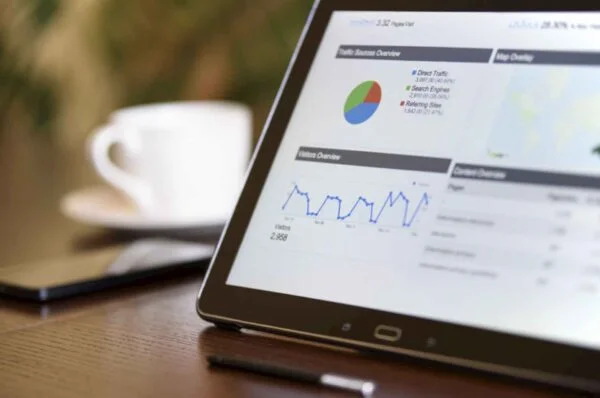
Google Search Console performance data used for CRO analysis
Google Analytics data used to measure conversions

What this service fixes

CRO is not just changing a button colour.

Conversion rate optimisation looks at the full journey: how someone finds the page, what they expected to see, whether the offer is clear, whether the content answers their objections, and whether the next step feels easy enough to take.

The old version of this page focused heavily on click-through rate from Google. That still matters. Google Search Console defines CTR as clicks divided by impressions, and low-CTR pages can show where titles, snippets or intent need work. But once the visitor lands, CRO also needs to improve forms, calls to action, page structure, trust signals and checkout or enquiry flows.

That is why CRO connects naturally with our SEO services, UX/UI design work and content strategy. Better rankings bring the opportunity; CRO helps stop that opportunity leaking away.

Reference points: Google Search Console performance reports and GA4 key event reporting.

Where conversions are usually lost

Small points of friction can cost a lot of revenue.

Searchers see you but do not click

If impressions are rising but clicks are flat, the issue may be your title, meta description, search intent match or competing SERP features. We review Search Console data and rewrite snippets around the queries people actually use.

Visitors arrive but do not enquire

This is usually a page clarity problem. The offer may be too vague, the CTA may be buried, or the page may not give enough proof. We tighten the structure so visitors can understand what you do and why to trust you.

Tracking does not show the real story

Many sites still track pageviews but not meaningful actions. We help define GA4 key events for forms, calls, booking clicks, downloads and ecommerce actions so improvements can be measured properly.

For ecommerce, the urgency is even clearer. Baymard's long-running checkout research puts average documented cart abandonment at around 70%, which is why checkout clarity, delivery information, trust signals and form usability are not cosmetic details.

Source: Baymard Institute cart abandonment research.

What we improve

A practical CRO review across data, page quality and buyer confidence.

Analytics and conversion tracking

We check whether Google Analytics, Search Console and key events are set up in a way that answers useful commercial questions. That includes enquiry form submissions, phone clicks, email clicks, booking links, ecommerce purchases and high-value micro-conversions.

  • GA4 key event review
  • Search Console CTR and landing-page checks
  • Lead source and page-level performance review

Landing page structure

We look at whether the page explains the service quickly, supports the claim with proof, addresses common objections and gives visitors an obvious next step. The goal is not to make pages louder; it is to make them easier to trust.

  • Hero message and CTA clarity
  • Offer, proof and objection handling
  • Internal links to relevant services and case studies

Forms, calls and booking paths

A strong page can still underperform if the enquiry path feels heavy. We review form length, field labels, mobile spacing, click-to-call visibility, booking links and confirmation messaging so interested visitors do not stall at the final step.

  • Form friction review
  • Mobile CTA placement
  • Thank-you page and tracking recommendations

Copy and trust signals

Good CRO copy helps people decide. We improve vague claims, add useful proof, clarify who the service is for and make sure the page explains outcomes without overpromising. This works especially well alongside SEO content writing.

  • Benefit-led section copy
  • Review, result and credential placement
  • FAQ and objection-led content

Case study

Better page clarity produced more qualified enquiries.

A service business was getting traffic from SEO and paid search, but too many visitors left without contacting the team. The page opened with a broad service claim, the form sat too low on mobile, and important proof was hidden below several generic sections.

We reworked the hero, tightened the offer, moved the primary CTA higher, added clearer service proof and simplified the enquiry path. Tracking was also adjusted so form submissions, phone clicks and booking clicks were measured separately.

+38%increase in qualified enquiries

The biggest gains came from stronger above-the-fold messaging, clearer proof, shorter form friction and better alignment between search intent and landing-page copy.

Our process

How we approach conversion improvements.

Review the data

We check Search Console, GA4 and page-level performance to see where visitors are arriving, where intent is strongest and which pages already have enough traffic to learn from.

Audit the page experience

We review mobile layout, messaging, CTA visibility, form friction, trust signals, proof, internal links and the content visitors need before they enquire or buy.

Prioritise the fixes

Not every change is worth doing first. We prioritise updates by likely commercial impact, implementation effort and whether the page has enough traffic to measure the result.

Measure and improve

After changes go live, we monitor key events and search performance. The aim is to build a steady improvement loop rather than one-off design changes with no measurement.

Related support

CRO works best when it is connected to the rest of your marketing.

If your SEO pages, paid traffic, UX and tracking all tell different stories, conversion work becomes guesswork. These pages connect naturally with CRO:

FAQs

Conversion rate optimisation FAQs

Is CRO only for ecommerce websites?

No. Ecommerce sites often have clear checkout metrics, but CRO is just as useful for lead generation websites. Calls, forms, booking clicks, quote requests and email enquiries can all be improved and measured.

Do we need lots of traffic before CRO is useful?

Large-scale A/B testing needs enough traffic to be statistically reliable, but many CRO improvements do not need a test to be worthwhile. Clearer messaging, better mobile forms, stronger proof and cleaner tracking are practical improvements for smaller sites too.

How does this differ from UX/UI design?

UX/UI design focuses on how the page looks, feels and functions. CRO is broader because it also uses traffic data, conversion tracking, search intent, copy, proof and commercial goals to decide which changes matter most.

Can CRO help SEO?

Yes, indirectly. Better titles and snippets can improve organic click-through rate, and stronger pages often create better engagement and enquiry outcomes. CRO should support SEO rather than replace it.

Want to know where your page is leaking enquiries?

Send us the page you want reviewed and we will look at the data, page structure, mobile experience and conversion path.

Request a CRO review