HubSpot CMS works best when content, CRM data and sales intent line up. We help structure pages so organic visibility supports leads, attribution and AI search discovery.
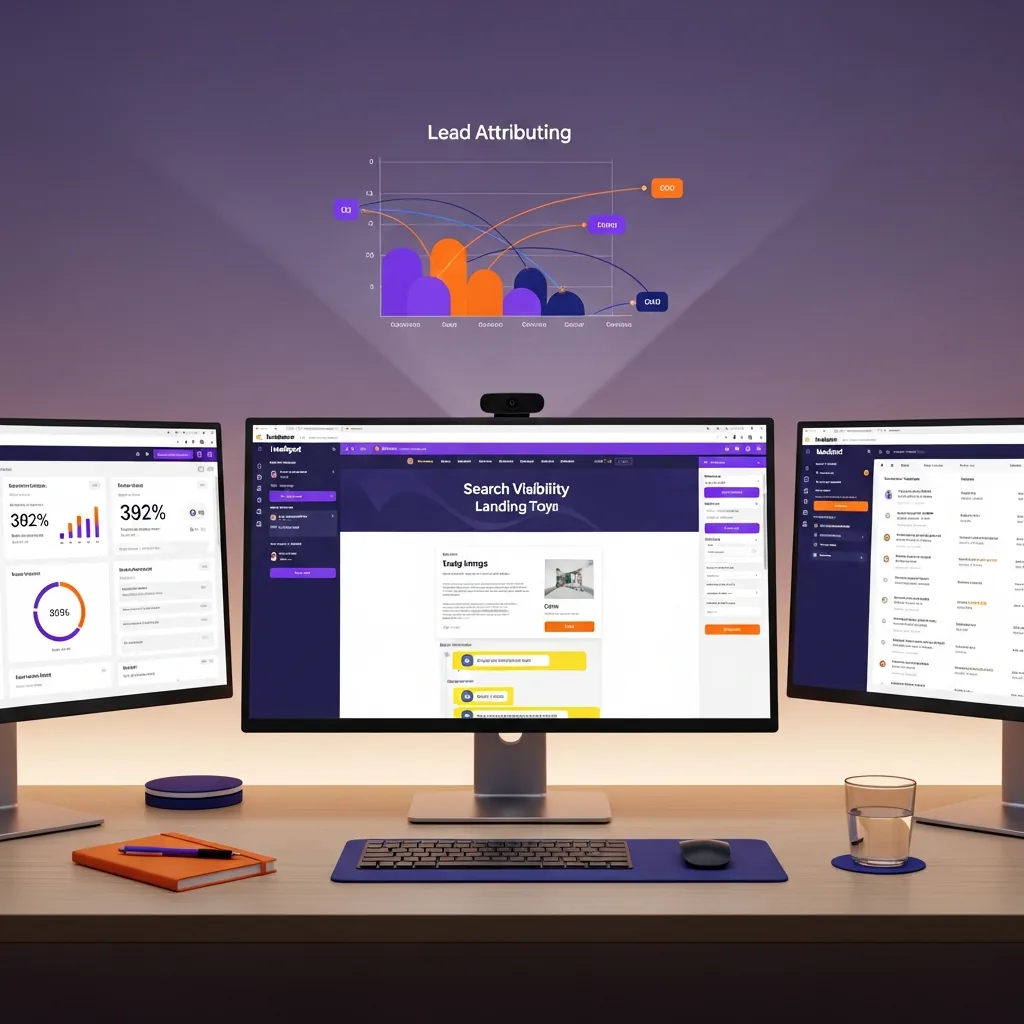
Share the site and we will review the structure, indexation signals, content gaps and conversion path before recommending the next step.
Most platform problems are not caused by one missing setting. They come from pages being published before the search intent, template structure, copy depth and conversion path have been thought through.
HubSpot can connect organic landing pages to contacts, lifecycle stages and pipeline quality when tracking is set up properly.
Pillar pages, supporting articles and service pages need natural links so topic clusters move visitors towards sales pages.
Forms should appear after enough proof and context, then feed clean attribution into the CRM.
The advantage of HubSpot is connection. Search pages can feed forms, lifecycle stages, workflows and sales reporting. We use that connection to build pages around buyer intent, then measure whether those pages create contacts that matter, not just sessions that look good in a dashboard.
The goal is not to over-optimise every page. It is to make the useful pages clearer, more complete and better connected so visitors and search engines can understand why they matter.
These are the issues we see most often when the platform is capable, but the site is not yet structured around organic growth.
Landing pages compete with core service pages instead of supporting them.
Articles win visits but do not link naturally to commercial pages.
Forms appear before the page has built enough trust or context.
Teams report organic traffic without understanding lead quality or pipeline impact.
We start with the pages that should create enquiries or revenue, then work backwards through search intent, technical constraints, content gaps and conversion friction. That keeps the work focused on decisions that affect growth.
Every platform has its quirks, but the pattern is usually similar: fix the structure, improve the copy, connect the useful pages and measure the actions that matter.
A HubSpot CMS site had plenty of blog traffic but weak commercial movement. We reorganised topic clusters, rebuilt service pages, added internal links from useful guides to sales pages and improved form placement. The marketing team could then see which organic pages generated contacts that became qualified opportunities.
Short answers to the questions that usually come up before a platform search project starts.
Yes. We work with page templates, content structure, internal links, forms and reporting.
Only when needed and agreed. Most search work can happen without disturbing sales operations.
It is especially useful when search, lead capture and sales follow-up need to connect.
Yes, when it helps the reader take the next logical step. Those links should be useful, not forced.
Yes. HubSpot makes this more practical because form and contact data can be reviewed alongside organic landing pages.
Send us the site and we will show you where structure, content, internal links and tracking can be improved without turning the project into a rebuild.